
Buying off-plan: the questions that separate a good deal from an expensive one
Off-plan pricing rewards buyers who commit early. It also concentrates risk in the gap between the brochure and the finished building — here is how to close that gap.
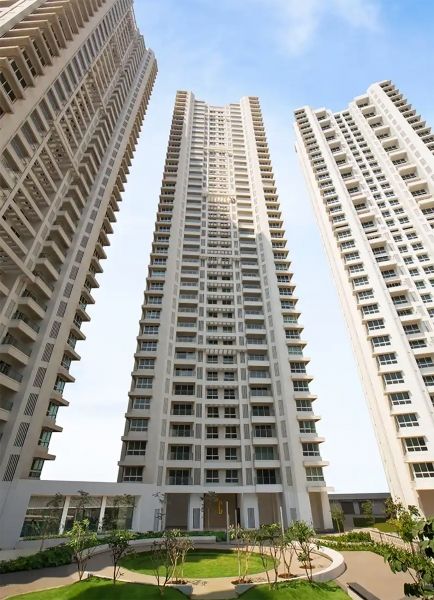
Buying off-plan means paying for something that does not exist yet. Done well, that is the most efficient way into a development: prices are lower before completion, payment is staged, and the earliest buyers get the best units. Done badly, it is an unsecured loan to a stranger.
The difference is almost entirely in what you verify before the first payment.
Who is actually building it?
Developers and contractors are frequently different companies with different balance sheets and different incentives. When they are separate, a dispute between them becomes your delay. Ask who holds the construction contract, and ask what happens to your unit if that relationship ends.
Where a single group controls development and construction, that particular failure mode disappears — the builder and the seller answer to the same board.
What does the payment schedule track?
- Milestone-linked payments tie your money to visible progress — foundation, frame, roof, finishing.
- Calendar-linked payments do not. They fall due whether or not anything has been built.
- A large deposit with a long gap before the next milestone concentrates risk badly in your direction.
Neither structure is inherently wrong, but the first one gives you information and the second gives you a standing order.
What is specified, and what is merely rendered?
Marketing images show intent. The specification schedule shows obligation. If a finish, fitting, or amenity matters to you, it needs to appear in the written specification attached to your contract, described precisely enough that a substitution would be obvious.
A render is a promise about atmosphere. A specification is a promise about materials. Only one of them is enforceable.
What happens if delivery slips?
Construction timelines move. A credible contract acknowledges that and says what follows: the notice you receive, the compensation or price adjustment that applies, and the point at which you can withdraw and recover funds. Silence on this subject is itself an answer.
What happens after you take possession?
The building is not finished when you move in. Defects surface in the first year, and services — power, water, security, common areas — need someone accountable for them indefinitely. Establishing who that is, and what it costs, belongs in the buying decision rather than after it.
Keep reading
Related insights.
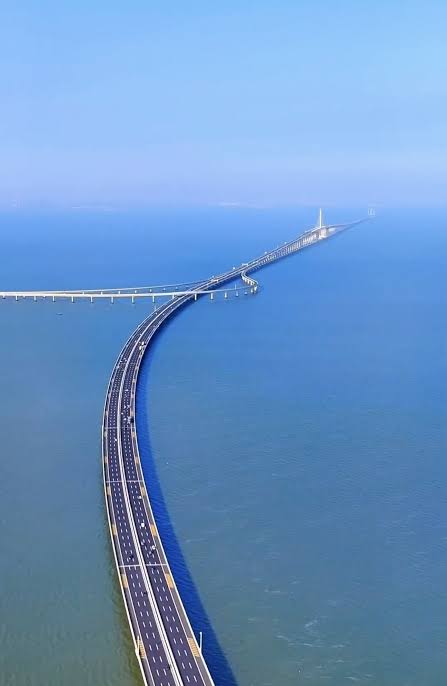
The Lagos–Calabar Coastal Highway: Nigeria’s next development corridor
Infrastructure has always preceded value. As the Lagos–Calabar Coastal Highway reshapes Nigeria’s coastline, the question for developers is whether they are positioned to recognise the opportunity early enough.
Read article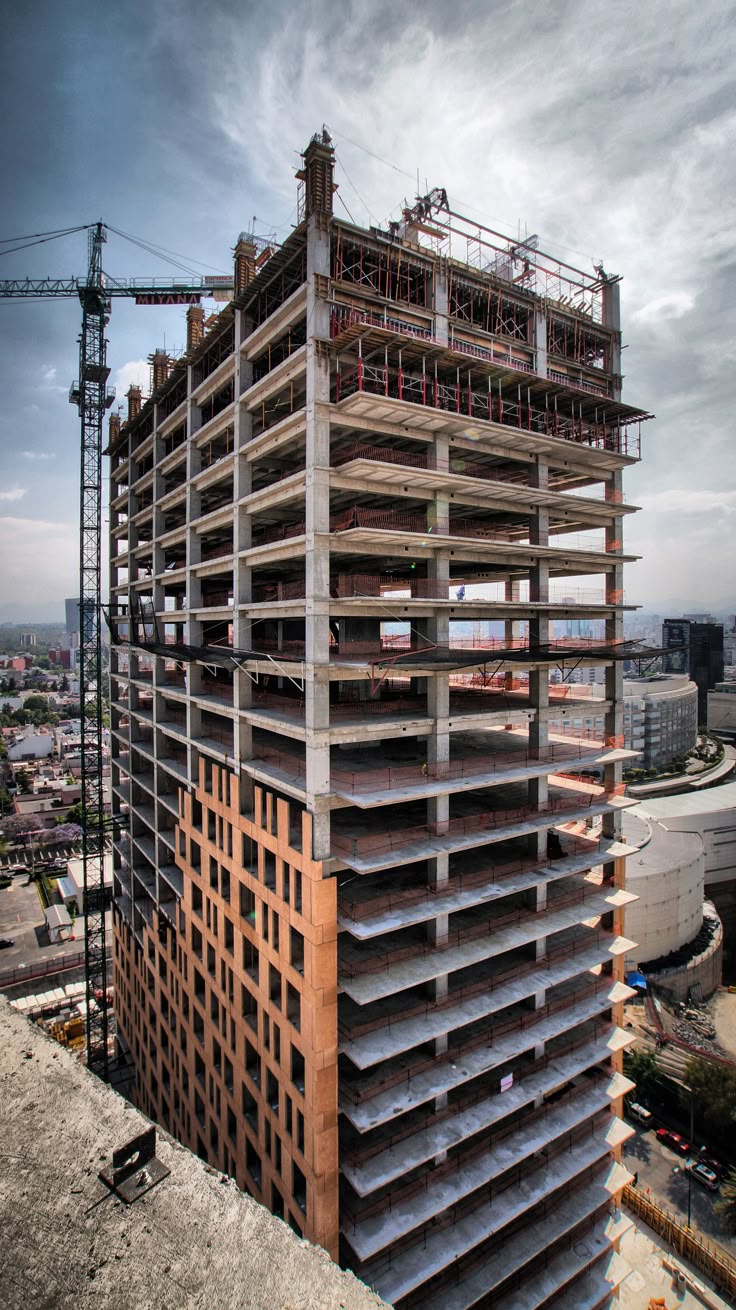
Why project delivery matters more than marketing
A campaign can sell a unit before the first foundation is poured. Only delivery decides whether that buyer becomes an advocate or a disappointed investor.
Read article