
Building quality vs. building fast: why Tilden chooses to build right
Speed sells, but a building is judged decades after handover, not on the day the ribbon is cut. Here is why we treat quality as the investment that protects every other investment.
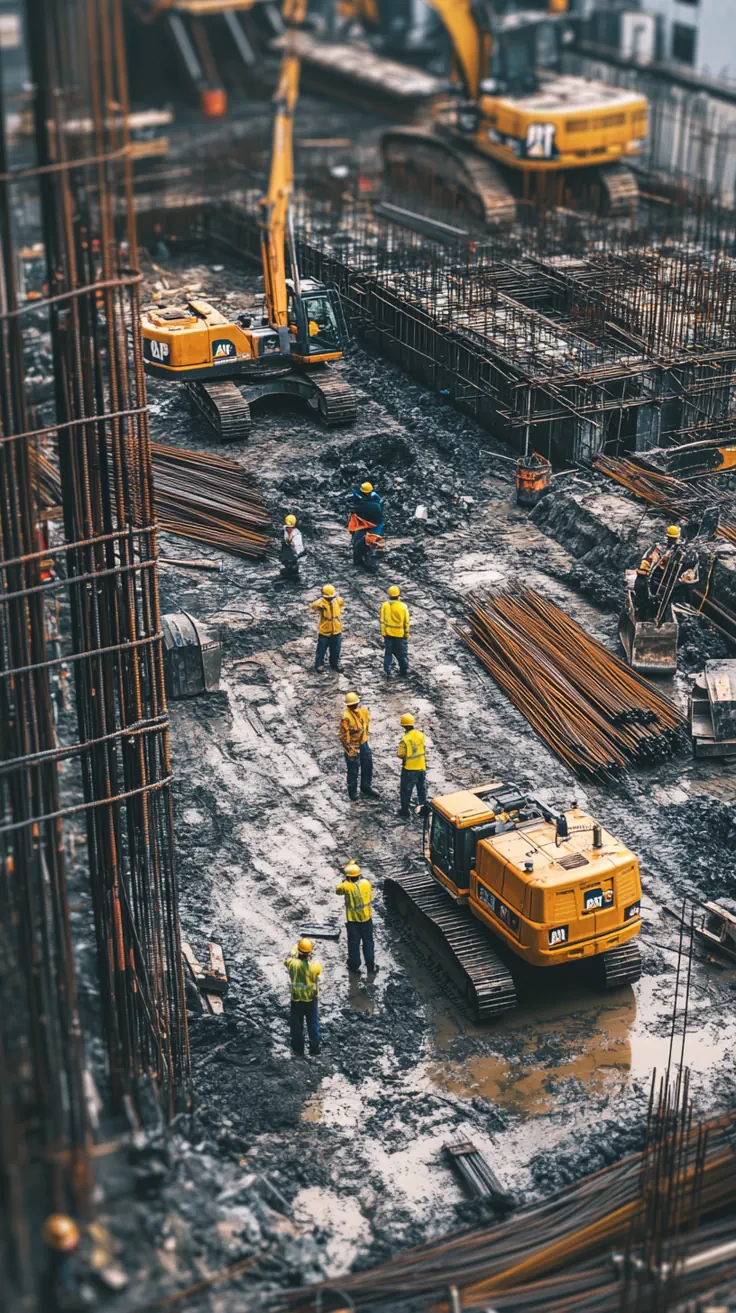
In today’s construction industry, speed has become a selling point. Project timelines are compressed, expectations are higher than ever, and clients naturally want results delivered as quickly as possible. But in the race to finish first, one question deserves more attention: what happens when speed comes at the expense of quality?
At Tilden, we believe the true measure of a successful project is not how quickly it reaches completion, but how well it performs for decades to come.
The cost of building too fast
Every structure tells a story. Some become landmarks of durability and excellence. Others begin showing signs of failure only a few years after completion. The difference is rarely luck — it is the result of decisions made long before the building is handed over.
- Rushed procurement that prioritises speed over supplier reliability
- Inadequate planning that leaves critical decisions to be made on site
- Poor material selection driven by cost rather than performance
- Shortcuts during construction that shave weeks off a schedule and years off a lifespan
These choices may reduce timelines initially, but they create hidden costs that emerge later — structural defects, frequent maintenance, operational disruptions, safety concerns, and expensive repairs that quickly outweigh any savings achieved by rushing the process. Quality isn’t an additional expense. It is an investment that protects every other investment.
Building fast doesn’t mean cutting corners
Efficiency and quality are not opposites. The most successful projects combine intelligent planning with disciplined execution. Modern construction is increasingly driven by technology — digital project management platforms, Building Information Modelling (BIM), real-time procurement tracking, predictive scheduling, drone inspections, and data-driven reporting have transformed how projects are delivered. These innovations help teams make informed decisions, reduce delays, improve collaboration, and maintain transparency throughout the project lifecycle. Technology enables construction teams to work smarter, not recklessly faster.
Why projects fall behind
Construction delays are often viewed as inevitable, but many are preventable. Projects commonly experience setbacks due to inadequate planning, procurement bottlenecks, poor stakeholder communication, inconsistent quality control, regulatory challenges, or unforeseen site conditions. Each delay creates a ripple effect — increasing labour costs, extending equipment rentals, affecting cash flow, and postponing return on investment.
Time lost on a project is rarely recovered without a cost.
This is why successful construction begins long before the first foundation is poured. It starts with careful planning, experienced leadership, disciplined execution, and proactive risk management.
The Tilden standard
At Tilden, quality is never treated as a phase — it is embedded throughout the entire project lifecycle. From feasibility studies and procurement to construction, supervision, and final delivery, every decision is guided by one principle.
Build once. Build right.
Our commitment extends beyond meeting specifications. We focus on creating developments that remain functional, resilient, sustainable, and valuable long after project completion, because every building represents someone’s vision, investment, and future.
Looking beyond completion
The true success of any construction project is not measured on the day the ribbon is cut. It is measured years later, when the structure continues to perform as intended, maintenance costs remain manageable, occupants feel safe, and the asset continues to deliver value.
At Tilden, our legacy is not defined by the number of projects we complete, but by the quality that endures in every project we deliver — because great buildings are not remembered for how fast they were built. They are remembered for how well they were built.
Keep reading
Related insights.
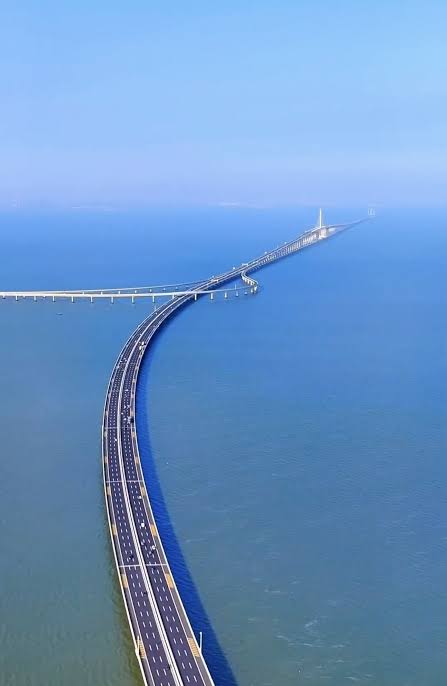
The Lagos–Calabar Coastal Highway: Nigeria’s next development corridor
Infrastructure has always preceded value. As the Lagos–Calabar Coastal Highway reshapes Nigeria’s coastline, the question for developers is whether they are positioned to recognise the opportunity early enough.
Read article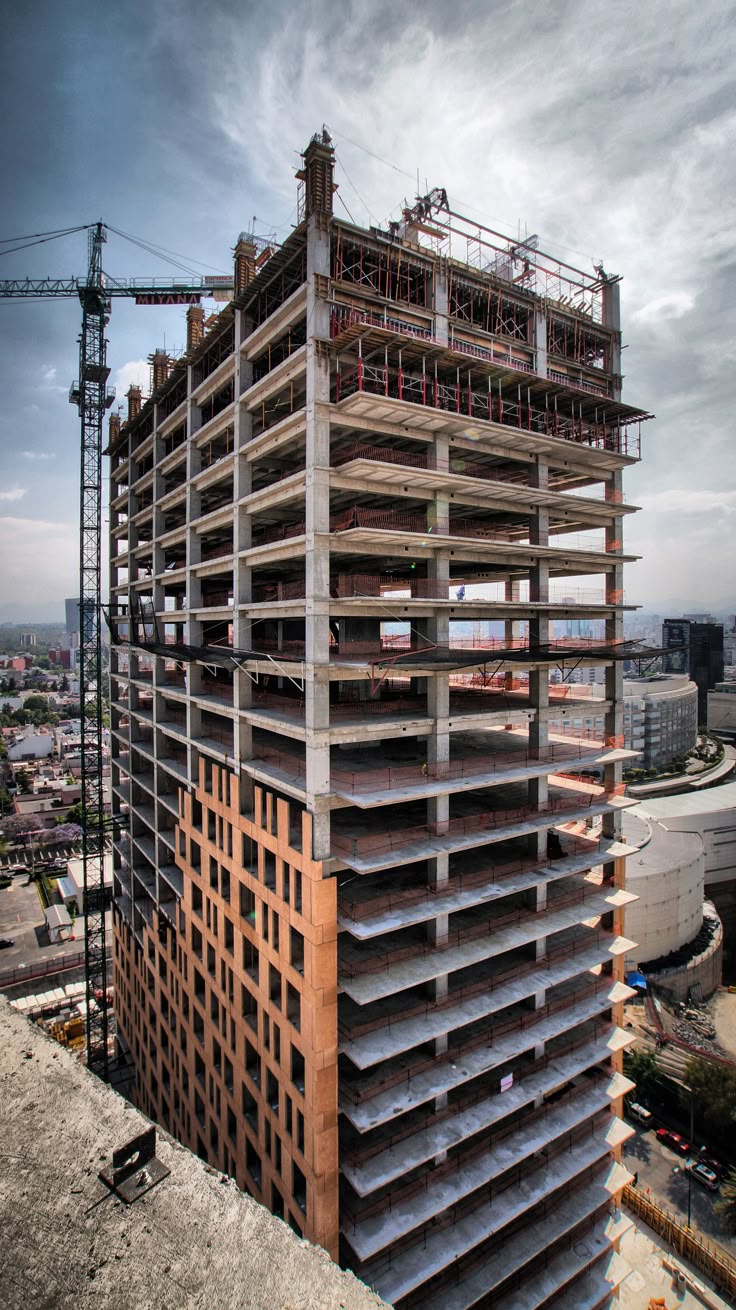
Why project delivery matters more than marketing
A campaign can sell a unit before the first foundation is poured. Only delivery decides whether that buyer becomes an advocate or a disappointed investor.
Read article